Category: Manufacturing:

  • A Guide to ERP Solutions for Manufacturing Industries in Oman

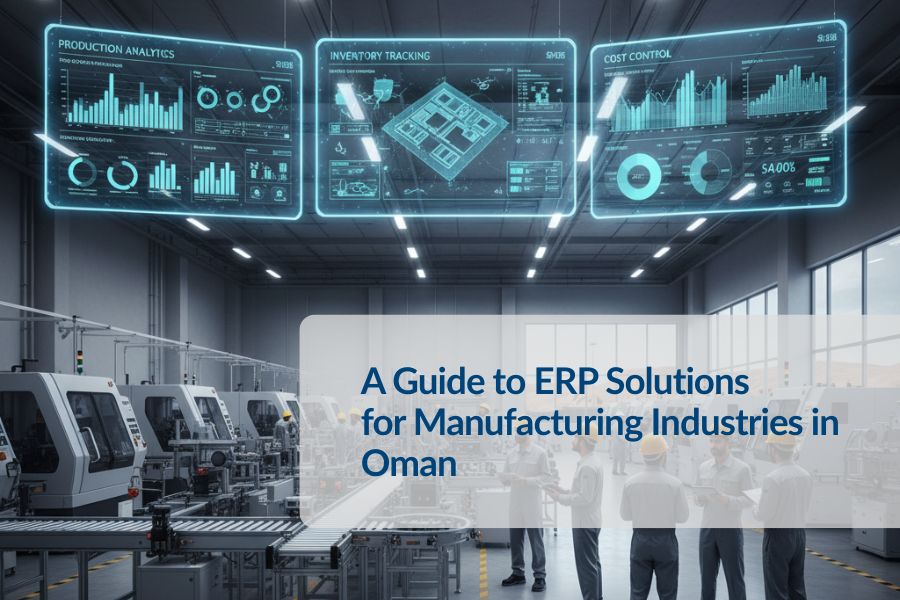
    A Guide to ERP Solutions for Manufacturing Industries in Oman

    In today’s competitive manufacturing landscape, efficiency and productivity are crucial for success. For companies in Oman, adopting the right ERP (Enterprise Resource Planning) solutions can transform operations, reduce costs, and improve decision-making. This guide explores how manufacturing industries in Oman can leverage ERP software to achieve operational excellence.

    1. What is ERP for Manufacturing?

    ERP software integrates all business processes into a single system, including:

    • Production planning
    • Inventory management
    • Supply chain coordination
    • Finance and accounting
    • Human resources

    For manufacturing industries in Oman, ERP helps track resources, optimize production schedules, and maintain quality control while ensuring compliance with local regulations.

    2. Benefits of ERP Solutions for Omani Manufacturers

    Implementing an ERP system provides several key advantages:

    a. Streamlined Operations
    ERP centralizes all data, eliminating silos and ensuring smooth workflow across departments.

    b. Real-Time Data and Reporting
    Decision-makers gain access to real-time analytics, enabling faster, informed business decisions.

    c. Cost Reduction
    Automation reduces manual tasks and errors, resulting in operational cost savings.

    d. Enhanced Supply Chain Management
    ERP solutions improve inventory control, procurement, and supplier management for smoother operations.

    e. Compliance and Traceability
    Omani manufacturers can track production processes and maintain regulatory compliance efficiently.


    3. Key Features of ERP for Manufacturing Industries

    A robust ERP system should include:

    • Production Planning & Scheduling – optimize production lines and reduce downtime
    • Inventory Management – track raw materials and finished goods efficiently
    • Quality Management – monitor quality at every stage of production
    • Financial Management – automate accounting and reporting processes
    • HR & Payroll Management – manage workforce efficiently
    • Maintenance Management – schedule preventive maintenance for machinery

    4. Tips for Implementing ERP in Oman

    Implementing ERP successfully requires careful planning:

    1. Assess Your Needs – Identify specific manufacturing processes that need improvement.
    2. Choose the Right ERP Software – Consider cost, scalability, and local support. Popular ERP options in Oman include ERPNext, SAP, and Odoo.
    3. Train Employees – Ensure staff are trained to use the system effectively.
    4. Data Migration & Integration – Migrate data carefully from legacy systems to avoid disruptions.
    5. Start Small & Scale – Implement ERP in phases, starting with critical operations.

    5. Why ERPNext is a Popular Choice in Oman

    For many small and medium manufacturers, ERPNext offers:

    • Affordable pricing compared to SAP and Odoo
    • Open-source flexibility
    • Local support in Oman
    • Modules tailored for manufacturing, inventory, and finance

    This makes ERPNext an ideal solution for companies seeking both efficiency and cost-effectiveness.

    6. Conclusion

    Investing in ERP solutions is no longer optional for manufacturing industries in Oman. With the right system, manufacturers can improve productivity, reduce operational costs, and stay competitive in the evolving market. By understanding your requirements and choosing a system that fits your needs, ERP software becomes a powerful tool for long-term business growth.
  • Tips for Successfully Implementing a Manufacturing ERP in Oman

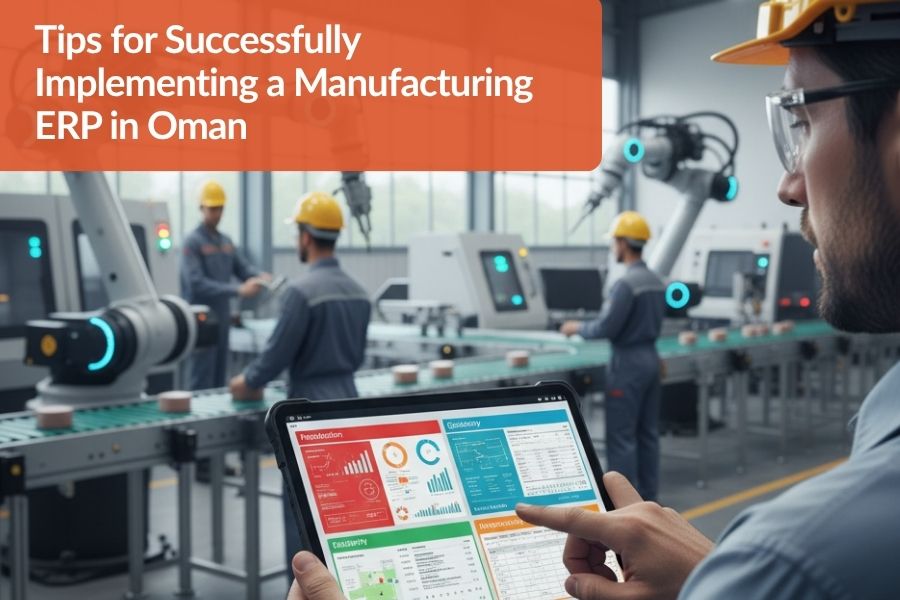
    Tips for Successfully Implementing a Manufacturing ERP in Oman

    In Oman’s rapidly growing industrial sector, manufacturing companies are under constant pressure to improve efficiency, reduce costs, and align with the nation’s Vision 2040 goals for innovation and digital transformation. Implementing a Manufacturing ERP system is one of the most effective ways to achieve this.

    A well-planned ERP implementation can unify departments, streamline production workflows, and provide real-time visibility into operations. However, successful implementation requires careful strategy and execution.

    1. Understand Your Manufacturing Needs

    Before selecting an ERP system, analyze your company’s manufacturing processes and challenges.
    Determine what areas need improvement — whether it’s inventory management, production scheduling, quality control, or cost tracking.

    This clarity will help you choose an ERP solution that supports your specific manufacturing workflow rather than a generic system.

    2. Choose the Right ERP Software for Manufacturing

    Not all ERP solutions are built the same. For Oman’s manufacturing businesses, you need software that supports:

    • Production planning and scheduling
    • Material requirement planning (MRP)
    • Inventory and supply chain management
    • Real-time data tracking and reporting

    Popular platforms like ERPNext offer manufacturing-specific modules that integrate seamlessly with finance, HR, and sales — making it a strong choice for Omani industries.

    3. Collaborate with a Trusted ERP Implementation Partner in Oman

    Working with a local ERP implementation expert ensures better understanding of Omani business culture, regulations, and operational workflows.
    A professional ERP partner can help with:

    • Customization based on your industry needs
    • Data migration and integration
    • On-site training and ongoing support

    Choosing an experienced provider also reduces implementation risks and downtime.

    4. Prioritize Data Accuracy During Migration

    Data migration is often the most complex stage of ERP implementation.
    Ensure your existing manufacturing data — including production logs, supplier information, and financial records — is clean, accurate, and well-organized before transferring it to the new system.
    Clean data ensures that your ERP delivers reliable insights from day one.

    5. Train Employees for Smooth Adoption

    ERP success depends on user adoption. Organize training sessions and workshops to help staff understand new processes and system navigation.
    Encourage feedback and provide hands-on practice to boost confidence and reduce resistance to change.

    6. Start with a Pilot Phase

    Rather than deploying the ERP system across your entire plant at once, begin with a pilot implementation in a single department or production line.
    This allows you to test workflows, fix potential issues, and ensure the system aligns with real-world manufacturing operations before full rollout.

    7. Monitor Performance and Optimize

    After your ERP system goes live, continuously monitor KPIs like production output, downtime, and material costs.
    Use ERP-generated reports to identify bottlenecks and areas for improvement.
    Regular optimization ensures the system evolves with your manufacturing needs.

    8. Align with Oman Vision 2040

    Implementing a modern ERP system aligns perfectly with Oman Vision 2040, which emphasizes industrial growth, innovation, and sustainability.
    By adopting digital solutions like ERP, manufacturing companies in Oman can enhance productivity, meet global standards, and strengthen their role in the national economy.

    Conclusion

    Successfully implementing a manufacturing ERP in Oman requires a blend of strategic planning, collaboration, and continuous improvement. With the right ERP solution and a trusted local partner, manufacturers can optimize production, improve efficiency, and move closer to achieving Vision 2040’s industrial excellence.